|
|
|
When “digital transformation” can become “life transformation”
|
|
|
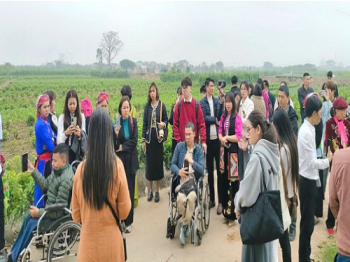
In the context of strong development of digital technology, digital transformation (DT) has been creating many opportunities for social groups. However, the community of people with disabilities (PWD) is often forgotten in this process.
|
However, the community of people with disabilities (PWD) is often forgotten in this process. One of the biggest barriers for PWD is not only physical disability, but mainly disability in belief. Low self-esteem and cautious views from family and community make them afraid to step out of their "safe zone", living in isolation and depending on subsidies, without realizing that they can stand on their own.
Despite facing many difficulties, PWDs can absolutely find jobs and start their own businesses if they have IT skills, even at a basic level. With this knowledge, they can work from home, provide effective products and services, thereby generating income for themselves and their families. Many have proactively participated in the “Inclusion of People with Disabilities in Technological Innovation” program under the IDAP project, where they were trained in design skills on Canva, content creation on TikTok, managing Facebook fanpages, and using Zoom to connect.
In Son La and Lao Cai, the majority of people with disabilities still maintain traditional livelihoods such as growing tea, selling agricultural products, or running grocery stores at home. They face difficulties due to lack of promotional tools and only rely on regular customers. However, access to digital tools has helped them expand their vision to a larger customer base. Inclusive digital transformation is not only about increasing sales but also about the journey of self-affirmation for those who once thought that the digital world was a closed door. Equipped with skills, tools, and confidence, they have been able to create their own livelihoods and integrate deeply into the digital economy. |
nhahuy
Follow https://khoahocphattrien.vn |