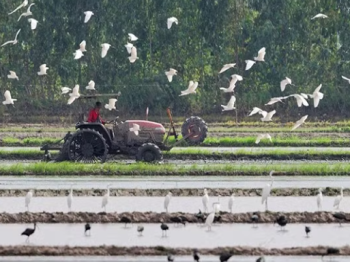
When people think about biodiversity conservation, they often imagine national parks, wildlife sanctuaries, or biosphere reserves—designated spaces where nature is formally protected from human pressure. Yet in Vietnam, this traditional view captures only a small fraction of the ecological reality. More than 90 percent of the country’s land lies outside official protected areas, meaning that most biodiversity either survives or declines within landscapes shaped directly by agriculture, urbanization, industry, and everyday human activity. This raises a critical question: if nature largely exists beyond reserve boundaries, can conservation succeed by focusing mainly on protected zones alone?